
Exploring the historical evolution of gambling practices through the ages
Exploring the historical evolution of gambling practices through the ages
Origins of Gambling in Ancient Civilizations
The practice of gambling can be traced back to ancient civilizations, where it served not only as entertainment but also as a means of making decisions and predicting outcomes. Archaeological evidence suggests that the Chinese were playing games of chance as early as 2300 BCE, utilizing rudimentary forms of dice made from bones. Similarly, ancient Egyptians engaged in gambling activities, often linked to various social and religious ceremonies, showcasing the cultural significance of these early practices. Today, you can explore new online casinos australia that reflect this long-standing tradition.
In ancient Rome, gambling was an integral part of society, from betting on gladiatorial contests to various games played in taverns. The Romans refined the concepts of chance and risk, leading to more structured forms of gambling that would lay the groundwork for future practices. This early adoption of gambling illustrates not just a fascination with games of chance but also highlights the societal values around fortune and fate in these early cultures.
The Middle Ages and the Rise of Gambling Games
During the Middle Ages, gambling evolved significantly, with the emergence of new games and betting practices that reflected the changing social landscape. As trade routes expanded, so did the exchange of ideas, leading to the introduction of card games from Asia to Europe. These games quickly gained popularity among the nobility, often associated with status and social gatherings. The blending of different cultures contributed to the rich tapestry of gambling that would define this era.
The establishment of gambling houses in the late Middle Ages marked a pivotal moment in the history of gambling. These venues provided structured environments where people could partake in various games, fostering a sense of community. However, this newfound popularity also led to regulatory efforts by governing bodies, highlighting the ongoing tension between societal norms and the allure of gambling.
Gambling in the Age of Enlightenment
The Age of Enlightenment brought forth a new perspective on gambling, characterized by a focus on reason and individualism. The introduction of mathematical theories and probability transformed the way people approached gambling, elevating it from mere chance to a strategic endeavor. Notable figures like Blaise Pascal contributed to the development of gambling mathematics, influencing the creation of games like roulette and modern betting systems.
This intellectual shift encouraged gambling to be viewed through a more scientific lens, leading to the establishment of casinos in the 18th century. These venues became centers of entertainment and social interaction, attracting a diverse array of individuals. The emphasis on strategy and skill during this time laid the foundation for the complex gambling practices we see today, where both luck and strategy play critical roles.
Modern Gambling Practices and Technological Advances
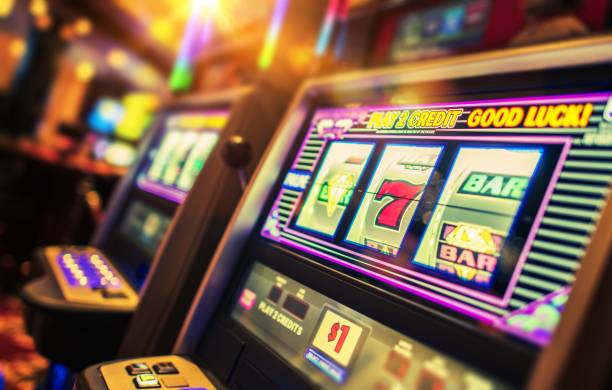
The 20th century witnessed a significant transformation in gambling practices, primarily driven by technological advancements. The introduction of electronic gaming machines in the 1960s revolutionized the industry, making gambling more accessible and appealing to a broader audience. As casinos proliferated, particularly in places like Las Vegas and Atlantic City, they adopted glamorous themes and experiences to entice players, solidifying gambling’s place in popular culture.
The rise of the internet in the late 1990s further transformed gambling, giving birth to online casinos and betting platforms. This shift allowed individuals to engage in gambling activities from the comfort of their homes, leading to an unprecedented boom in the industry. Online gambling continues to evolve, incorporating innovations like live dealer games and mobile applications, reflecting the changing preferences and technological capabilities of players today.
Gambling Trends and Future Directions
As we look to the future, gambling practices are likely to continue evolving in response to societal changes and technological advancements. The integration of artificial intelligence and virtual reality is poised to redefine the gambling experience, offering immersive environments that engage players like never before. Additionally, ongoing discussions around responsible gambling and regulation are shaping the industry’s landscape, highlighting the need for balance between entertainment and societal impact.
Websites dedicated to reviewing online casinos and gambling platforms are becoming increasingly popular, helping players navigate the vast options available. These resources provide insights into game variety, payment methods, and user experiences, ensuring players can make informed decisions. As gambling continues to be a dynamic and evolving field, understanding its historical context enhances our appreciation of its current and future iterations.
Leave a Reply
Want to join the discussion?Feel free to contribute!